Behavioral Disorders
WHAT IS Behavioral Disorder
Signs of a Behavioral Disorder
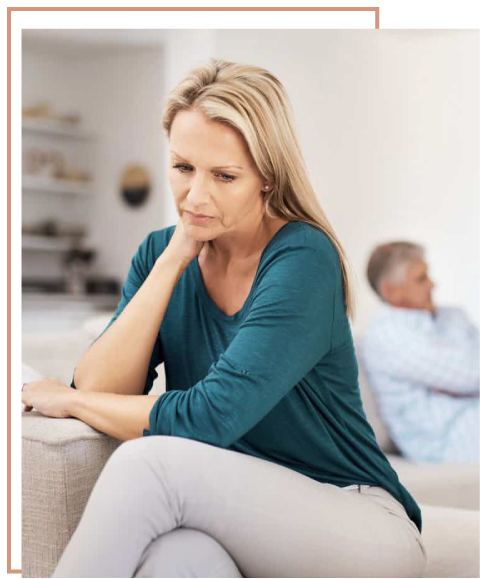
Someone who has a behavioral disorder may act out or display emotional upset in different ways, which will also vary from person to person.
Emotional Symptoms of Behavioral Disorders
Some of the emotional symptoms of behavioral disorders include:
- Easily getting annoyed or nervous
- Often appearing angry
- Putting blame on others
- Refusing to follow rules or questioning authority
- Arguing and throwing temper tantrums
- Having difficulty handling frustration
Physical Symptoms of Behavioral Disorders
Unlike other types of health issues, a behavioral disorder will have mostly emotional symptoms, with physical symptoms such as a fever, rash, or headache being absent. However, sometimes people suffering from a behavioral disorder will develop a substance abuse problem, which could show physical symptoms such as burnt fingertips, shaking, or bloodshot eyes.
CAUSES OF Behavioral Disorder
Physical illness or disability
Malnutrition
Brain damage
Hereditary factors
RISKS AND COMPLICATIONS OF behavioral disorders
RISKS
Child abuse
Difficulty interpreting the actions or intent of others
Family history of mental illness or substance abuse
Fetal exposure to tobacco or illicit drugs
Inconsistent, harsh discipline
Lack of supervision
Male gender
Parental substance abuse
Poor social skills
Stressful home or school environment
COMPLICATIONS
Bipolar disorder
Depression
Development of personality disorders
Difficulties holding a job
Drug and alcohol abuse
Increased risk of injury
Violent behavior
Law violations and legal troubles
Peer relationship problems
Scholastic problems or failure
Sexually transmitted infections
Social isolation
Suicide
PREVENTIVE MEASURES OF Behavior Problems
Develop a Healthy Relationship
Play games, have fun, and create memories. The stronger your relationship, the more motivated your child will become to listen to your rules.
Make the Rules Clear
Create a written list of household rules and display them prominently in your home. Explain the rules when you enter into new situations
Explain the Consequences
Once you’ve explained the rules, tell your child what will happen if he breaks the rules. Your child will be less likely to challenge the rules or test limits if he knows how you’re going to respond.
Provide Structure
Create a schedule for your child that outlines when he should do his homework when he needs to complete his chores, and when he can have free time. When kids get used to the structure, they’re much more likely to respond positively.
TYPES OF Behavioral DISORDERS
DIAGNOSIS OF Behavioral Disorder
Regular medical care for your child is an important first step in the prevention and treatment of behavioral disorders. This allows a healthcare professional to screen for and evaluate potential symptoms of a behavioral disorder.
Treatment often focuses on skill development for the child and parents. Children may benefit from cognitive development programs, social interaction skills training, and adaptive skills training. Parental skills training can also be beneficial. Educational, community, and social programs may be available.
Psychological assessments and psychotherapy or other types of therapy may be helpful, especially if the mood or other disorders are also present.


PEOPLE ALSO ASK
1
Can a child have mental health difficulties?
2
How do I know if my child has a serious mental health problem?
3
Can childhood mental health conditions be treated?
4
What is therapy?
- Talking one-on-one with a psychologist, either individually or with family members